
AI sales automation what works in 2026 is not “let an agent run sales.” It works when AI owns narrow, repetitive, measurable first-touch workflows: inbound response, qualification, routing, outbound sourcing, research, scoring, follow-up, and CRM updates. It fails when teams automate weak targeting, dirty data, vague handoff rules, or uncontrolled outbound volume.
The right model is human plus AI. AI removes the busywork and protects pipeline from slow response and inconsistent execution. Humans still own discovery, negotiation, trust, strategic accounts, and closing.
Key Takeaways
– AI sales automation works best when the workflow is frequent, rule-based, data-backed, and easy to audit.
– The strongest 2026 use cases are speed-to-lead, lead qualification, lead scoring, account research, outbound personalization, follow-up, routing, and CRM hygiene.
– The biggest failure modes are weak ICP, poor CRM data, generic AI outreach, missing channel rules, no human handoff, and measuring activity instead of pipeline.
– GrowthEffect separates the operating model clearly: Alim handles inbound AI sales work, while Vera handles outbound AI sales work.
– The practical question is not “Can AI replace sales?” It is “Which sales workflow can AI own safely, and what metric proves it is working?”
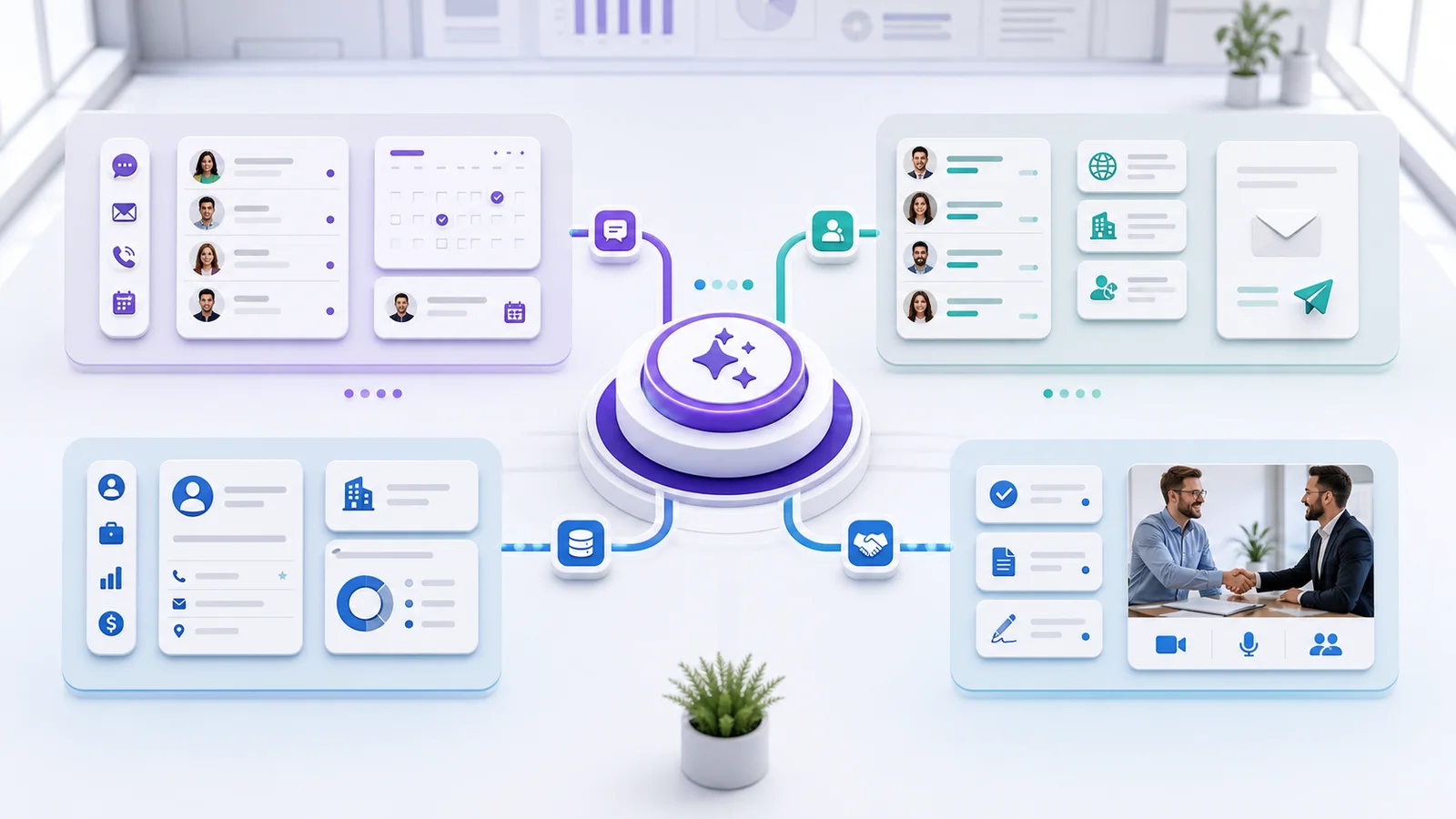
AI Sales Automation What Works: The 2026 Short Answer
AI works in sales when it is attached to a defined operating problem.
That is the difference between a useful sales automation system and another AI demo. Salesforce’s 2026 State of Sales report announcement says 87% of sales organizations use some form of AI for tasks such as prospecting, forecasting, lead scoring, or drafting emails. It also says sellers expect agents to reduce prospect research time and email drafting time once fully implemented.
That adoption signal matters, but it is not proof that every rollout works.
Gartner warned in 2025 that over 40% of agentic AI projects may be canceled by the end of 2027 because of escalating costs, unclear business value, or inadequate risk controls. McKinsey makes the more useful operator point: B2B leaders should pick sales AI use cases based on a specific business challenge, then decide whether rule-based automation, machine learning, AI, or gen AI is the right tool.
That is the standard for 2026: start with the workflow, not the model.
What AI Sales Automation Should Mean in 2026
AI sales automation is the use of AI systems, workflow automation, CRM rules, enrichment data, and human review to perform repeatable sales work with less manual effort.
It is not one thing. It has four layers.
| Layer | What it does | Example | Where it breaks |
|---|---|---|---|
| Task assistant | Helps a rep complete one action | Draft an email, summarize a call, suggest a next step | Still depends on manual follow-through |
| Workflow automation | Executes a defined process | Route inbound leads, create CRM tasks, send reminders | Breaks when rules or fields are weak |
| AI decision support | Scores, prioritizes, or recommends | Rank accounts by fit and intent | Can be wrong if signals are low quality |
| AI sales worker | Owns a bounded sales job | Qualify inbound leads or run outbound research and follow-up | Needs guardrails, logs, escalation, and QA |
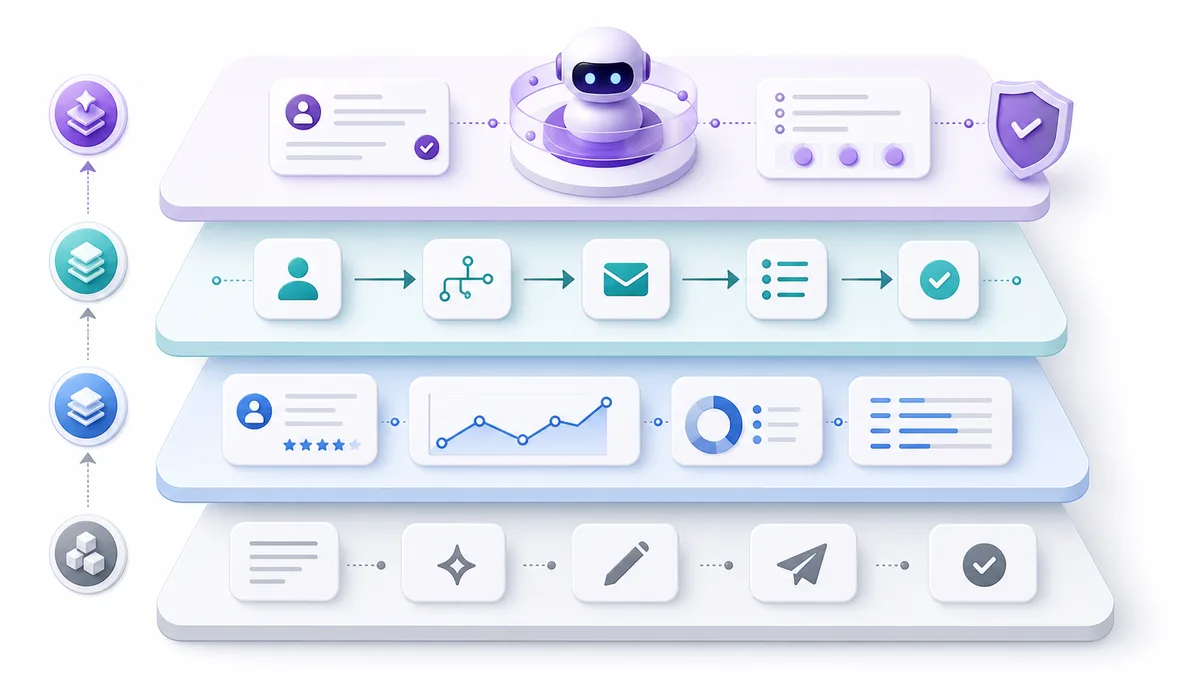
Most teams say they want an AI sales worker. Many should start with workflow automation plus AI decision support.
That is not a downgrade. It is how you keep control while learning what the system can safely own.
The Workflows That Actually Work
The workflows that work have a shared pattern: high repetition, clear input data, visible rules, low strategic ambiguity, and measurable output.
| Workflow | Why it works | Best AI owner | Human control point | Success metric |
|---|---|---|---|---|
| Inbound speed-to-lead | Intent decays when a demo form, chat, WhatsApp message, or DM waits | Alim | Escalate hot or complex buyers | Response time, qualified conversations |
| Inbound qualification | First questions are structured and repeatable | Alim | Review qualification logic and edge cases | Qualified meetings, accepted handoffs |
| Lead scoring and routing | Fit, intent, role, channel, and urgency can be mapped | Alim or RevOps workflow | Audit score reasons and owner assignment | Routing accuracy, conversion by score |
| Outbound list building | ICP rules can be applied across many accounts | Vera | Approve ICP, exclusions, and target segments | Qualified account rate |
| Account research | AI can summarize public signals and CRM history | Vera | Verify sensitive claims before outreach | Research accuracy, message relevance |
| Personalized outbound | AI can turn research into draft messaging | Vera | Control tone, claims, channel rules | Positive replies, meetings, complaint rate |
| Follow-up | Many follow-ups are predictable and easy to miss | Alim for inbound, Vera for outbound | Escalate buying signals and objections | Follow-up completion, reply quality |
| CRM hygiene | Reps often miss notes, fields, and next steps | CRM workflow or AI assistant | Define source-of-truth fields | CRM completeness, reduced manual admin |
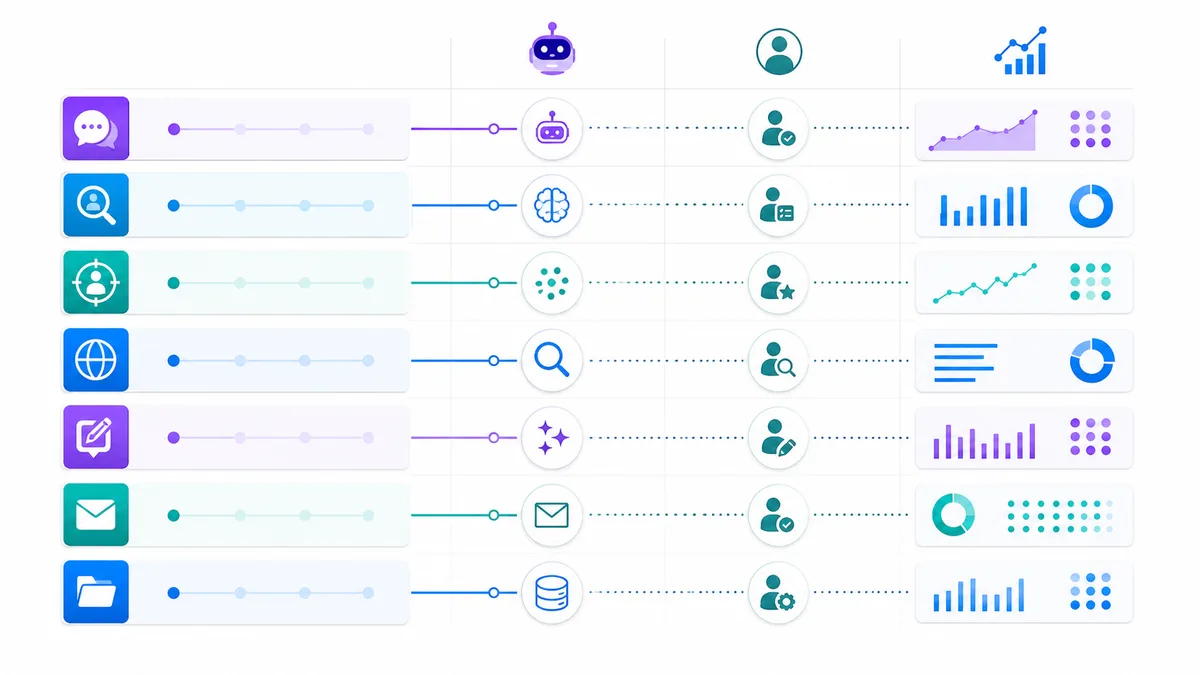
This is why “AI sales automation” should not start as a broad platform rollout. It should start as a workflow selection exercise.
Ask: which part of the sales motion is frequent, painful, measurable, and risky to keep manual?
What Does Not Work
AI sales automation fails when it speeds up a broken sales process.
| Failure mode | What it looks like | Why it fails | Fix |
|---|---|---|---|
| Vague ICP | “Target B2B SaaS companies” with no segment, pain, or trigger logic | AI scales weak targeting | Define firmographics, roles, exclusions, and buying signals |
| Dirty CRM data | Duplicate accounts, stale titles, missing owners, unclear lifecycle stage | AI acts on bad inputs | Clean required fields before automation |
| Volume-first outbound | Thousands of AI-generated messages with shallow personalization | Creates spam risk and brand damage | Use smaller lists, stronger relevance, and deliverability controls |
| No channel rules | Email, LinkedIn, chat, and phone are treated the same | Each channel has different rules and buyer expectations | Separate channel policies and limits |
| No source of truth | AI pulls from outdated docs or conflicting CRM fields | Buyers receive wrong answers or poor handoffs | Define approved knowledge and field priority |
| No handoff logic | AI continues after a serious buying signal | Good leads stall or get mishandled | Escalate by intent, account value, sentiment, or risk |
| Activity metrics only | The dashboard celebrates messages sent and tasks completed | Activity can rise while pipeline quality falls | Track accepted handoffs, qualified meetings, replies, and opportunities |
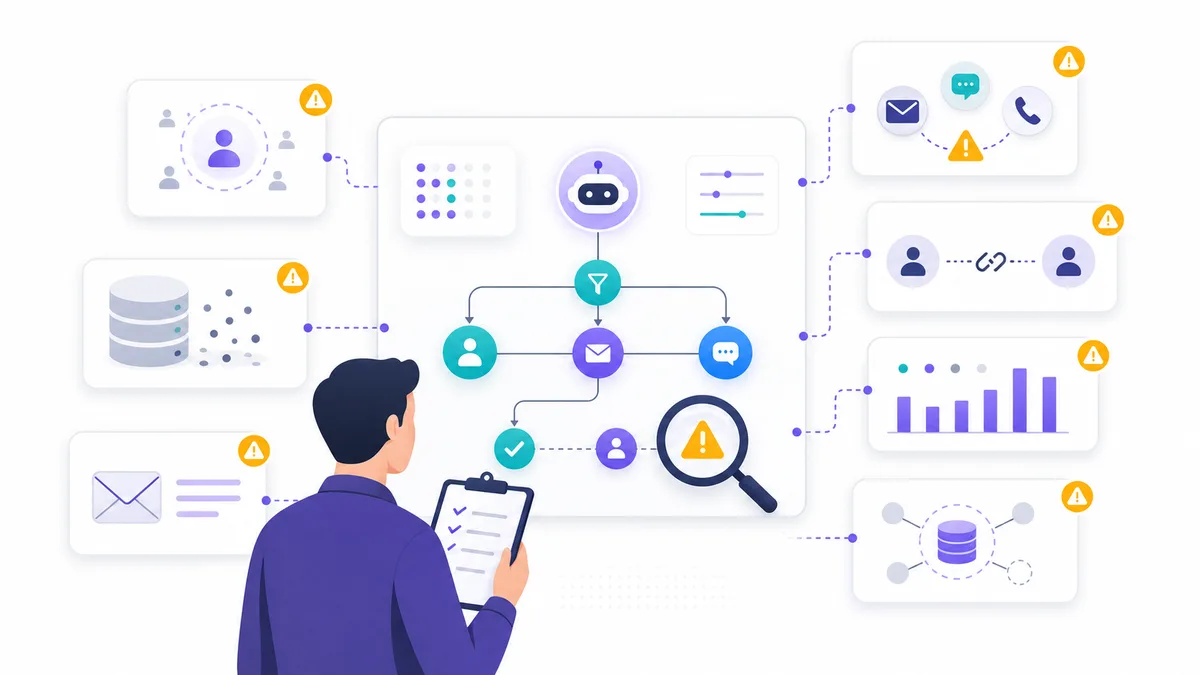
The most common mistake is buying autonomy before building control.
Autonomy is only useful when the work is bounded, observable, reversible, and attached to a business metric.
The 2026 Operating Model: Choose Workflows by Risk and Leverage
Here is the decision framework GrowthEffect uses for practical AI sales automation.
Do not ask whether AI can do the task. Ask where the task sits on two axes:
- Leverage: how much pipeline, time, or consistency improves if the task is automated.
- Risk: how much damage happens if the AI gets it wrong.
| Risk / Leverage | Low leverage | High leverage |
|---|---|---|
| Low risk | Automate later or ignore | Automate now |
| Medium risk | Use templates or human review | Pilot with guardrails |
| High risk | Keep manual | Use AI assist, not AI ownership |
Examples:
- Low risk, high leverage: routing inbound leads by region, source, and company size.
- Medium risk, high leverage: Vera researching accounts and drafting outbound messages for approved segments.
- High risk, high leverage: enterprise pricing promises, legal commitments, procurement negotiation, or custom contract terms.
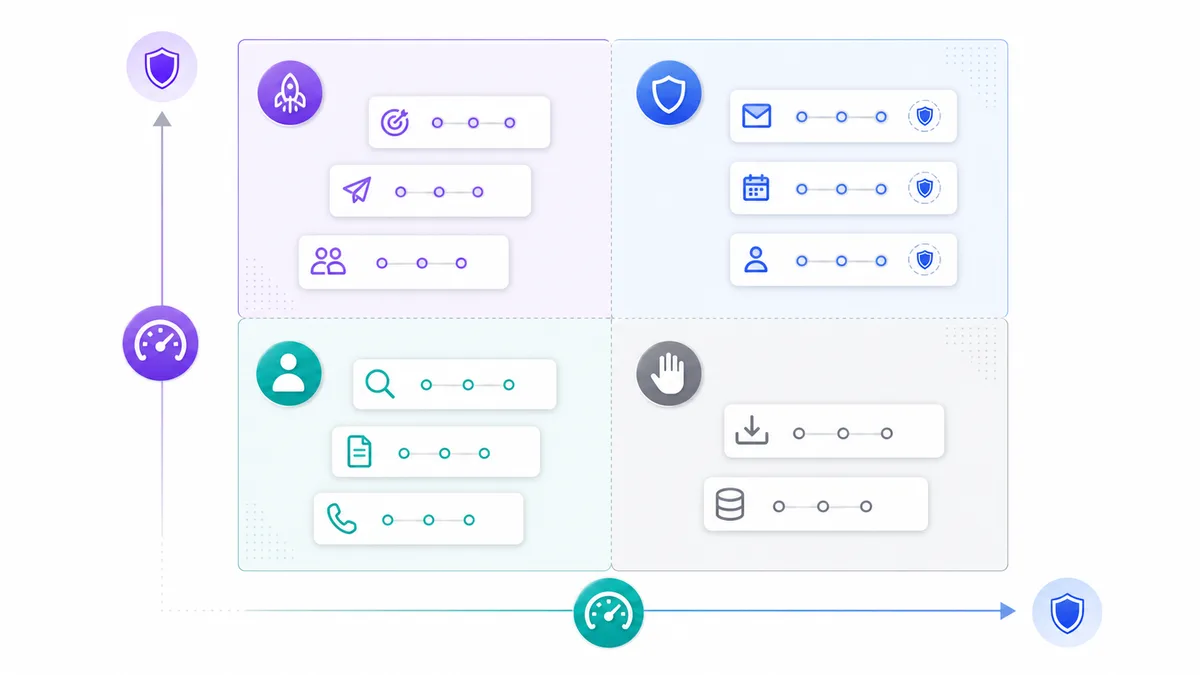
That last group should not be automated as final action. AI can prepare context, draft options, and summarize history. A human should decide.
Implementation Sequence: What to Automate First
The safest rollout sequence is not the most exciting one. It is the one that gets reliable pipeline impact without creating channel, data, or brand risk.
1. Instrument the current funnel
Before automation, measure the baseline:
- How fast do inbound leads get a first reply?
- What percentage of leads receive full qualification?
- How many good-fit accounts are never prospected?
- How many follow-ups are missed?
- How many CRM records lack next steps or useful notes?
- Which channel creates the highest-quality sales conversations?
Without a baseline, the team will confuse “AI is active” with “AI is working.”
2. Clean the minimum required data
You do not need perfect CRM hygiene. You need the fields the workflow depends on.
For inbound, that may be source, company, role, intent, lead owner, region, lifecycle stage, meeting status, and qualification notes.
For outbound, that may be ICP segment, company size, industry, geography, title, account fit, exclusion rules, suppression status, enrichment source, and last-touch history.
3. Start with one inbound or outbound lane
Do not start with “automate sales.”
Start with one lane:
- Inbound demo request qualification.
- After-hours website chat follow-up.
- Warm inbound nurture.
- One outbound ICP segment.
- Closed-lost reactivation.
- CRM follow-up completion.
If the workflow is inbound, use Alim. If it is outbound, use Vera.
4. Define guardrails before launch
Guardrails should cover:
- What AI can say.
- What AI cannot say.
- Which channels it can use.
- Daily or weekly volume limits.
- Suppression and opt-out rules.
- When to stop.
- When to escalate.
- Which CRM fields it can update.
- Which fields require human confirmation.
This is where many 2026 AI sales projects separate from demos. Demos show action. Production systems show control.
5. Review quality weekly
Review the actual outputs:
- Bad-fit leads accepted.
- Good-fit leads rejected.
- Generic outreach.
- Incorrect research.
- Mishandled replies.
- Weak handoff notes.
- CRM updates that need correction.
- Spam reports, unsubscribes, or channel warnings.
Then tighten prompts, rules, data sources, scoring weights, message templates, and escalation logic.
Inbound Automation: Where Alim Fits
Alim is the inbound AI sales representative in GrowthEffect.
Use Alim when leads already show intent: demo forms, website chat, WhatsApp, Instagram DMs, Facebook Messenger, email inquiries, or other inbound channels enabled for the customer.
The operator problem is simple: inbound demand leaks when response is slow, qualification is inconsistent, or the lead reaches a human without context.
Alim should own:
- First response to inbound leads.
- Structured qualification.
- Lead temperature classification.
- Meeting booking when the buyer is ready.
- Routing to the right human owner.
- CRM sync with qualification notes.
- Warm lead follow-up.
Alim should not be described as the worker that sources cold accounts, scrapes LinkedIn, or runs outbound sequences. That is not inbound automation.
The metric for Alim is not “messages sent.” It is qualified conversations captured, handoffs accepted, meetings booked, and inbound pipeline protected.
Outbound Automation: Where Vera Fits
Vera is the outbound AI sales representative in GrowthEffect.
Use Vera when the team needs to create demand: find target accounts, enrich contacts, score fit, research the company, choose an outreach angle, draft personalized messages, follow up, and surface qualified replies.
The operator problem is different from inbound. Outbound fails when target selection is loose, research is shallow, personalization is fake, follow-up is inconsistent, or reps spend too much time preparing lists instead of selling.
Vera should own:
- ICP-based sourcing.
- Account and contact enrichment.
- Fit and intent scoring.
- Account research.
- Outreach angle selection.
- Email and LinkedIn message drafting inside approved channel rules.
- Contextual follow-up.
- CRM reactivation.
Vera should not be described as the worker that handles WhatsApp intake, website chat qualification, or after-hours inbound routing. That is Alim’s lane.
The metric for Vera is not “contacts exported.” It is qualified accounts found, relevant outreach created, positive replies, accepted handoffs, meetings, and pipeline contribution.
Channel Rules Matter More in 2026
AI makes outreach easier to produce. That makes channel discipline more important.
For email, Google’s sender guidelines emphasize authentication, accurate sender identity, low spam rates, gradual volume increases, and easy unsubscribe for relevant bulk traffic. Google says bulk senders should keep user-reported spam rates below 0.1% and avoid reaching 0.3% or higher. The FTC’s CAN-SPAM guidance also requires commercial email to avoid deceptive headers and subject lines, include a valid postal address, provide opt-out, and honor opt-out requests within 10 business days.
For LinkedIn, LinkedIn’s help documentation says it does not permit third-party software, crawlers, bots, browser plug-ins, or extensions that scrape, modify, or automate activity on LinkedIn’s website.
This is not legal advice. It is an operating point: if your AI sales automation strategy depends on uncontrolled volume or risky platform automation, the workflow is not production-safe.
The safer path is smaller segments, better targeting, clear suppression, proper unsubscribe handling, controlled sending volume, and human review where risk is high.
Metrics That Prove AI Sales Automation Is Working
Use two scoreboards: workflow quality and pipeline outcome.
| Metric category | Good metrics | Bad proxy metrics |
|---|---|---|
| Inbound speed | Median first response time, after-hours coverage, hot lead response rate | Total chatbot messages |
| Qualification | Qualified conversation rate, accepted handoff rate, disqualification accuracy | Number of questions asked |
| Outbound quality | Positive reply rate, meetings from target accounts, account fit rate | Emails sent, contacts scraped |
| Handoff | Sales-accepted leads, handoff completeness, next-step clarity | Tasks created |
| CRM hygiene | Required field completion, note quality, owner assignment accuracy | Records touched |
| Risk | Spam complaints, unsubscribes, bounces, platform warnings, human overrides | Deliveries only |
| Revenue | Opportunities created, pipeline sourced, meetings attended, conversion by segment | Agent activity |
The best metric is not universal. It depends on the workflow.
For Alim, start with response time, qualification completion, meeting booking, and accepted human handoffs.
For Vera, start with qualified account rate, positive replies, meetings, and pipeline sourced from approved segments.
Where Humans Stay in Control
Good AI sales automation gives humans better leverage. It does not remove judgment from moments where judgment matters.
Humans should stay in control of:
- ICP and market selection.
- Offer and positioning.
- Pricing and discount decisions.
- Legal or procurement commitments.
- Strategic account planning.
- Enterprise discovery.
- Sensitive objections.
- Relationship-heavy expansion.
- Final closing.
AI should prepare the work, execute bounded first-touch tasks, and escalate when the conversation becomes commercially important.
That is the practical human-plus-AI model: digital workers handle the repetitive front line, and human sellers spend more time on conversations that deserve human attention.
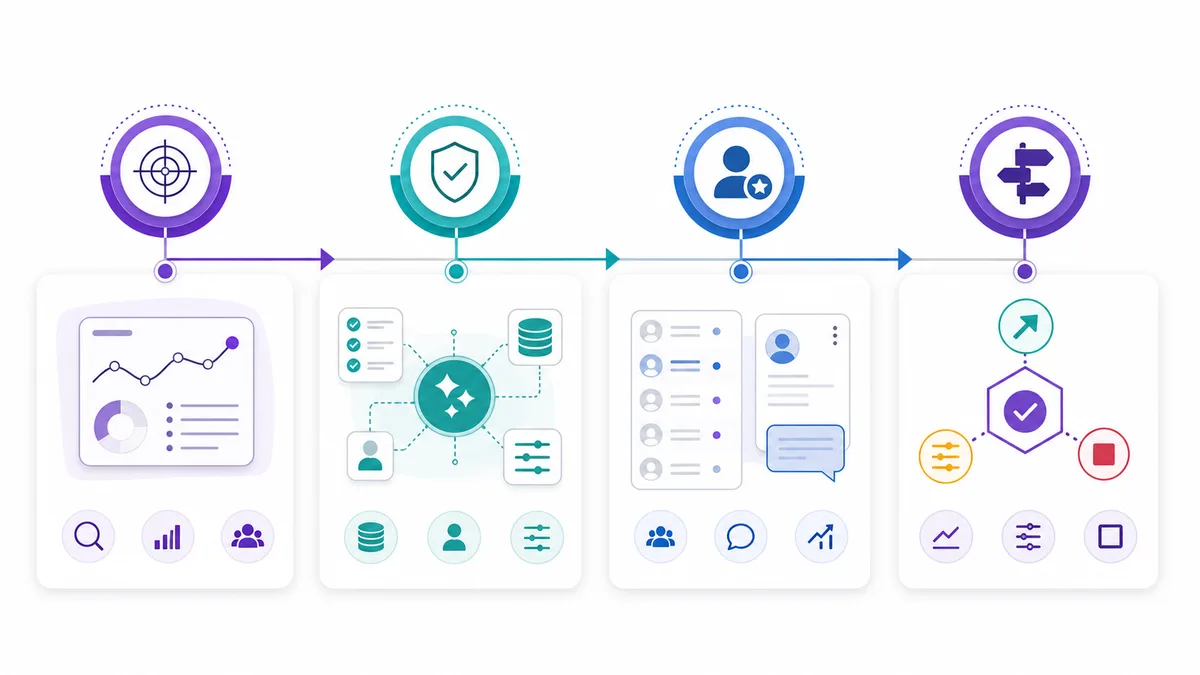
A 30-Day Pilot Plan
Use a narrow pilot before broad rollout.
| Week | Goal | What to do | Exit criteria |
|---|---|---|---|
| 1 | Scope | Pick one workflow, define ICP, exclusions, source of truth, and success metric | One workflow owner, baseline, and scorecard |
| 2 | Build | Configure data fields, messaging, channel limits, handoff rules, and CRM updates | Test records pass QA |
| 3 | Run | Launch on a limited segment and review every output | No critical claim, routing, or channel failures |
| 4 | Decide | Compare results against baseline and fix failure modes | Expand, adjust, or stop based on quality |
For Alim, a good pilot is inbound demo request qualification and booking.
For Vera, a good pilot is one outbound ICP segment with approved messaging, controlled volume, and weekly reply review.
Do not pilot both as one blended AI sales project. Keep the lanes separate, then connect reporting once quality is stable.
Who Should Not Automate Yet
AI sales automation is a bad fit if:
- You do not know your ICP.
- Your offer changes every week.
- Your CRM has no usable owner, stage, or source fields.
- You cannot define a qualified lead.
- You want AI mainly to send more cold messages.
- You have no one to review quality.
- You expect AI to replace all sales judgment.
- You sell complex enterprise deals but want no human handoff.
These companies do not need a more autonomous agent. They need a clearer sales process.
Final Recommendation
In 2026, AI sales automation works when it is treated as an operating system for first-touch sales work.
Start with a specific workflow. Define the source of truth. Separate inbound from outbound. Put channel rules and human handoffs in place before volume. Measure pipeline outcomes, not agent activity.
Use Alim for inbound response, qualification, routing, booking, and CRM sync. Use Vera for outbound sourcing, enrichment, research, scoring, personalized outreach, follow-up, and pipeline generation. Keep humans responsible for discovery, negotiation, relationship, and closing.
If you want to see where AI would actually fit in your funnel, start with a revenue leak scan or book a GrowthEffect demo. The goal is not to automate everything. The goal is to stop losing pipeline to slow response, inconsistent outbound, and manual sales work that should already be systemized.
FAQ
What AI sales automation works best in 2026?
The best AI sales automation workflows in 2026 are inbound response, lead qualification, lead scoring, routing, outbound research, account prioritization, personalized outreach drafts, follow-up, and CRM hygiene. These workflows work because they are frequent, measurable, and rule-driven.
Can AI sales automation replace SDRs?
AI can replace or reduce repetitive SDR workload such as research, scoring, first response, outreach drafting, follow-up, and CRM updates. It should not replace human discovery, negotiation, strategic account ownership, or closing.
What is the biggest AI sales automation mistake?
The biggest mistake is automating volume before fixing ICP, data, channel rules, and handoff logic. AI makes broken targeting and bad data move faster. It does not automatically make the sales process better.
Should I start with inbound or outbound automation?
Start with the bigger revenue leak. Choose inbound automation if leads wait too long, arrive after hours, or reach sales without qualification. Choose outbound automation if pipeline creation is inconsistent, reps spend too much time researching, or follow-up is weak.
What metrics should I track?
Track response time, qualified conversations, accepted handoffs, positive replies, meetings booked and attended, opportunities created, pipeline sourced, CRM completeness, unsubscribes, spam complaints, and human override rate. Avoid relying only on activity metrics such as messages sent.
How do Alim and Vera work together?
Alim handles inbound AI sales work: response, qualification, routing, booking, and CRM sync. Vera handles outbound AI sales work: sourcing, enrichment, research, scoring, personalized outreach, follow-up, and pipeline generation. Humans handle the serious selling moments after qualified handoff.
Source List
- Salesforce: State of Sales Report for 2026 announcement
- Gartner: Over 40% of agentic AI projects will be canceled by end of 2027
- McKinsey: Unlocking profitable B2B growth through gen AI
- Google Workspace Admin Help: Email sender guidelines
- Google Workspace Admin Help: Email sender guidelines FAQ
- FTC: CAN-SPAM Act Compliance Guide for Business
- LinkedIn Help: Prohibited software and extensions
Leave a Reply